
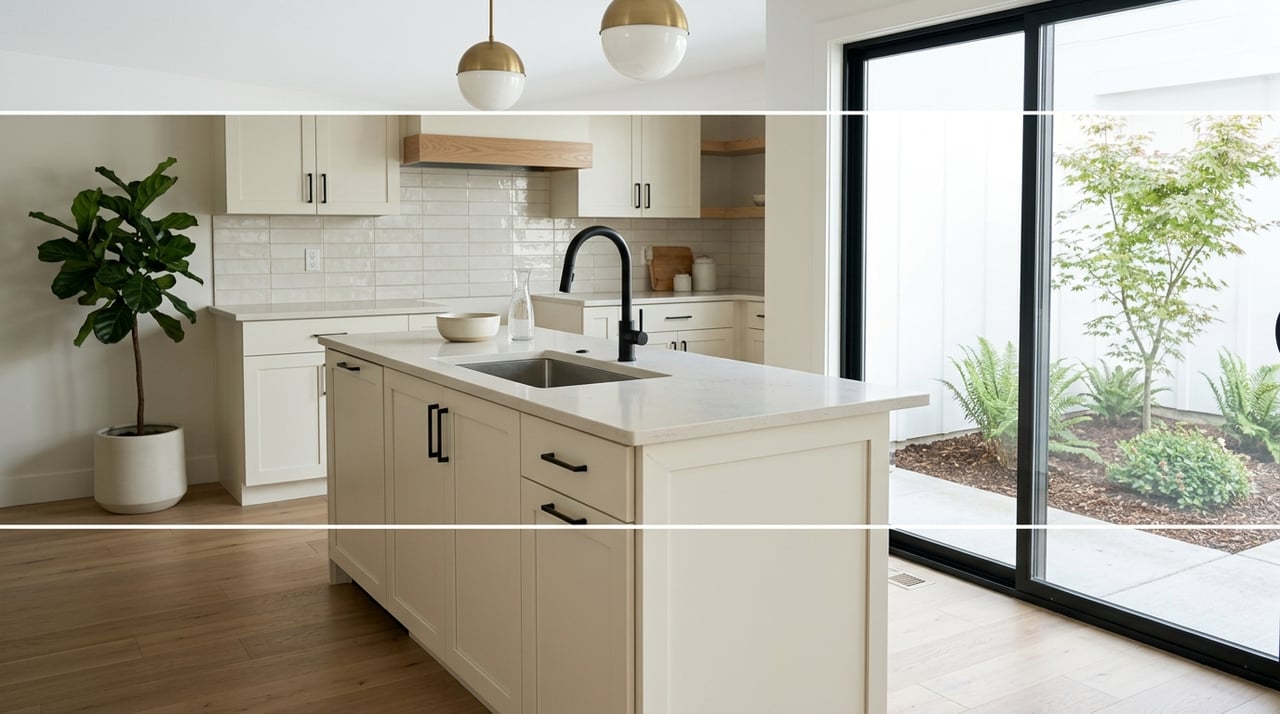
Thinking about buying a brand-new home in Ridgefield? It can feel exciting and straightforward at first, but new construction comes with its own rules, timelines, and paperwork. If you understand how the builder’s process works and where your own representation fits in, you can make smarter choices from your first tour to your final walk-through. Let’s dive in.
Why Ridgefield draws new-construction buyers
Ridgefield is not just a market of resale homes with a few scattered builds. The city continues to add housing, and its Development Activity Map reflects ongoing projects and growth across the area.
That matters if you want more options in floor plans, homesites, and community layouts. Ridgefield’s growth pattern also includes many HOA-based neighborhoods, and the city notes that most neighborhoods have HOAs and new subdivisions are required to have one.
You will also notice that many newer communities highlight open space, trails, and shared amenities. That lines up with Ridgefield’s focus on an interconnected system of parks, trails, and greenways, which helps shape how newer neighborhoods are planned.
Current examples show the range of what buyers may see. Paradise Pointe is actively selling and features larger homesites, a community park, scenic walking paths, and homes starting around $768,000, while communities such as The Reserve at Seven Wells, Westhaven, and Toll Brothers at Quail Ridge reflect Ridgefield’s continued pipeline of new development.
Why bring an agent from day one
If you are shopping new construction, timing matters. In many cases, you should bring your own agent before your first model-home visit, not after.
Some builders have policies that require your agent to be identified and registered at first contact. For example, Lennar states in its broker and real estate agent policy that the broker must be registered on the buyer’s first visit, and Toll Brothers has similar warnings about prior registration affecting buyer-agent commission.
That commission issue is important, but it is not the main reason to involve an agent early. Early representation helps protect your ability to have an independent advisor guiding you through pricing, contract terms, timelines, lender comparisons, and inspection steps from the beginning.
Builder rep vs buyer’s agent
This is one of the biggest points of confusion for new-construction buyers. The builder’s sales representative is there to guide you through the builder’s community, product options, and purchase process.
Builder materials make that pretty clear. Lennar says its New Home Consultants help with tours, floor plans, pricing, amenities, and included features, while Pacific Lifestyle Homes says its sales consultants help buyers choose a homesite and home plan, and Toll Brothers highlights design consultants who help buyers personalize finishes and selections.
Those services can be helpful, but they are not the same as independent representation. Under Washington law RCW 18.86.020, a broker providing real estate brokerage services for a buyer is considered a buyer’s agent unless that broker is representing the seller or both parties under a limited dual agency arrangement.
Washington law also outlines what a buyer’s agent owes you. Under RCW 18.86.050, a buyer’s agent must act with loyalty, disclose conflicts, maintain confidentiality, and advise you to seek expert help on matters outside the agent’s expertise.
Just as important, payment alone does not create representation. RCW 18.86.080 says compensation can come from the seller, buyer, or a third party, and that payment by itself does not create an agency relationship.
In simple terms: the builder’s rep helps sell the builder’s home, while your buyer’s agent helps protect your interests throughout the transaction.
What an agent helps you compare
A model home is designed to look polished and inspiring. What you see, though, may not reflect the final all-in cost of the home you are considering.
In Ridgefield’s new communities, you may be comparing several layers of cost at once:
- Base price
- Homesite or lot premium
- Structural options
- Design upgrades
- Closing cost incentives
- Preferred lender offers
That is why independent guidance can be so valuable. Pacific Lifestyle Homes explains that buyers first choose the home plan and homesite, then make structural choices early for permitting before signing the purchase agreement through its path to your dream home process.
Meanwhile, builders like Toll Brothers emphasize personalization through the design studio experience, where flooring, fixtures, and finishes can shift your total cost significantly. Buyers often benefit from having someone help them compare the base home to the final home they actually want.
There is also a useful clue in how builders may calculate commissions. Pahlisch Homes notes that its agent commission structure is based on the net sale price, which excludes upgrades, options, and some seller-paid costs. For you as a buyer, that reinforces how builder pricing can be broken into separate buckets, even when it feels like one purchase.
Why contracts can feel different
Buying resale and buying new construction are not the same experience. Builder contracts often move faster and can feel more standardized because the builder is managing a repeatable sales and construction process.
That does not mean you should rush through the details. The Consumer Financial Protection Bureau says buyers should ask questions about deposits and when a builder deposit or earnest money may be refundable as part of the home shopping process.
It also helps to understand the order of operations. In many new-build situations, you may choose a plan, a homesite, and early structural options before the purchase agreement is finalized, which is different from how many resale transactions work.
Your agent can help you slow the conversation down enough to understand key terms, deadlines, and decision points. That matters when timelines for permitting, design selections, financing, and closing all start stacking up quickly.
You can shop for your lender
One common misconception is that you have to use the builder’s lender to buy a new home. You do not.
The CFPB says buyers are not required to use the builder’s affiliated lender and can shop around for a better deal. Builder incentives tied to a preferred lender may still be worth reviewing, but they should be compared against the full loan terms, rate, fees, and total cost.
That side-by-side review is where having your own representation and trusted referral support can help. You want to know whether a closing cost credit or other incentive is truly saving you money or simply shifting costs around.
Inspections and walk-throughs still matter
Because the home is brand new, some buyers assume inspections are less important. In reality, new construction still deserves careful review.
The CFPB recommends considering both a financing contingency and a satisfactory inspection contingency when shopping for a home. Before signing closing papers, the CFPB also recommends a final walk-through to confirm repairs were completed and agreed-upon items are present.
In a new-construction purchase, that final walk-through often focuses on punch-list items rather than wear and tear. You may be checking finishes, fixtures, function, incomplete items, and any repairs or changes that were supposed to be addressed before closing.
An independent buyer’s agent can help keep those steps organized. Based on the duties in RCW 18.86.030, that can include helping communicate notices promptly, tracking next steps, and supporting the flow of inspections, follow-up, and document review.
Questions to ask before you sign
When you visit a new-home community in Ridgefield, it helps to come prepared. A short list of questions can keep you focused on the total picture, not just the model-home experience.
Consider asking:
- What is included in the base price?
- Which model-home features are upgrades?
- Are there lot premiums for certain homesites?
- When do structural choices need to be made?
- How much is the deposit, and when is it refundable?
- Are HOA dues already set?
- What incentives are tied to the builder’s preferred lender?
- What is the estimated build timeline?
- What inspections and walk-through opportunities will you have?
These questions are especially useful in Ridgefield, where many new neighborhoods are part of a larger planned-growth pattern and often include HOA structures, shared amenities, or trail-oriented community design.
The value of local guidance in Ridgefield
Ridgefield offers real opportunity if you want a newer home, a more planned community layout, or a neighborhood with access to open space and amenities. At the same time, each builder, subdivision, and contract can work a little differently.
That is why local, relationship-first guidance can make the process feel more manageable. When you have someone helping you compare communities, track deadlines, review costs, and stay organized from first tour to closing day, you are better positioned to buy with confidence.
If you are exploring new construction in Ridgefield, Myra Brock - Main Site can help you navigate the process with warm, hands-on buyer representation and trusted local support.
FAQs
Should I bring an agent to a Ridgefield model-home visit?
- Yes. Some builders require your agent to be identified and registered at your first contact or first visit, so bringing your own agent early helps protect your representation.
Does the builder’s sales rep represent me when buying new construction in Ridgefield?
- No. The builder’s sales team helps with the builder’s sales process, while a buyer’s agent represents your interests under Washington agency law.
Can I use my own lender for a new-construction home in Ridgefield?
- Yes. The CFPB says you do not have to use the builder’s affiliated lender, and you can shop around for a better deal.
Are HOAs common in new Ridgefield subdivisions?
- Yes. The City of Ridgefield says most neighborhoods have HOAs, and new subdivisions are required to have one.
Do newer Ridgefield communities often include parks or trails?
- Many do. Ridgefield’s planning emphasizes parks, trails, and greenways, and some active communities highlight walking paths and shared open space as part of their design.
