
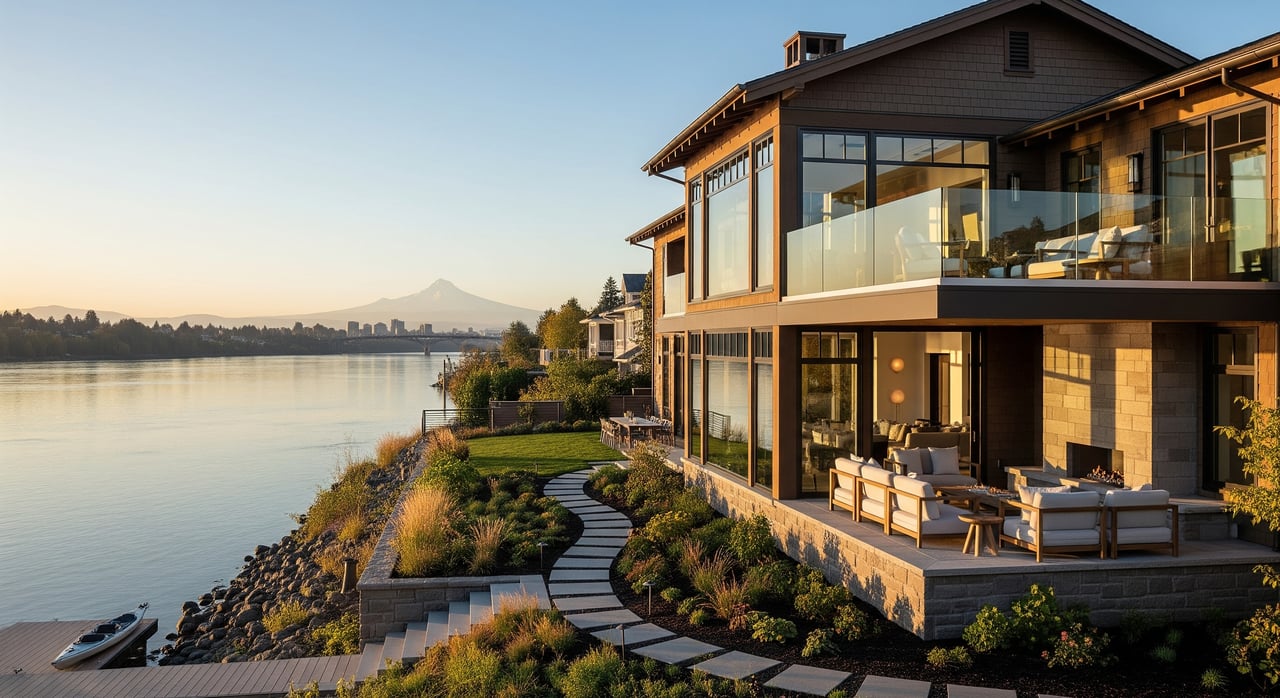
Thinking about relocating to Vancouver, Washington, but not sure where to start? You’re not alone. Many professionals choose Vancouver for its outdoor lifestyle, cross‑river job access, and Washington’s tax structure, then realize each neighborhood and commute feels a bit different. In this guide, you’ll get a clear picture of housing options, commute patterns on I‑5 and I‑205, and everyday life across Clark County so you can pick a spot that fits your routine and goals. Let’s dive in.
Why Vancouver works for relocators
Vancouver sits on the north bank of the Columbia River, directly across from Portland. You can live in Washington and easily reach jobs across the Portland–Vancouver metro. Local employment spans healthcare, government, education, logistics, and light manufacturing, and many professionals commute to Portland for tech and professional services roles.
Washington does not have a state personal income tax. That is a common reason people choose to live in Vancouver while working in Oregon. Washington relies on sales and property taxes, so it’s smart to run the numbers for your specific situation. You can review statewide sales tax information through the Washington State Department of Revenue.
If you love the outdoors, the climate supports a year‑round lifestyle. Winters are cool and wet while summers are warm and relatively dry. Riverfront paths, neighborhood parks, and quick access to the Columbia Gorge and Cascade foothills make weekend plans easy.
Housing options and where to look
You’ll find a full spectrum of homes in Vancouver and nearby Clark County cities, from historic craftsman houses to new construction in master‑planned suburbs. Renting for a few months is common if you want to test commutes before buying. Here are the main options you’ll see.
Single‑family homes
Detached homes dominate many neighborhoods, both close‑in and in the suburbs. Expect a mix of early 20th‑century homes, mid‑century ranches, and contemporary builds in growing subdivisions. Newer tracts are more common on the city’s edges and in nearby cities.
Townhomes and rowhomes
You’ll see townhomes in infill and newer developments, often near shopping corridors and transit. These can be a good fit if you want lower maintenance and access to amenities without a high‑rise setting.
Condos and apartments
Downtown Vancouver and mixed‑use corridors have mid‑rise condos and apartments. If you’re relocating on a tight timeline or want walkability, starting with a rental downtown can help you learn the area before buying.
New construction communities
Recent growth around outer neighborhoods and adjacent cities means you’ll find new construction in places like north Vancouver, the Salmon Creek area, and the Fisher’s Landing corridor. These often come with community parks, newer schools nearby, and easy freeway access.
Accessory dwelling units (ADUs)
ADUs are becoming more common in established neighborhoods. They can support multigenerational living or provide flexible space for visiting family.
Market dynamics to expect
Inventory and pricing can be tight for well‑located homes, and conditions shift with interest rates and economic cycles. Renting first is a common approach while you assess commute times and neighborhood fit. If walkability is a priority, keep an eye on infill and mixed‑use projects near downtown and major corridors.
Commutes: I‑5 vs I‑205 explained
Understanding the two main interstates helps you narrow your search. Most cross‑river commuters use I‑5 or I‑205 depending on their destination and time of day.
Key corridors
- I‑5: Direct link to downtown Portland via the Interstate Bridge. It’s the straight shot to central Portland and points beyond.
- I‑205: Eastern bypass that crosses the Glenn L. Jackson Memorial Bridge. Useful for reaching the airport, I‑84, and Portland’s eastern and southern suburbs.
Typical patterns and peak times
Morning and evening peaks create congestion on both bridges, especially near interchanges and approaches. Choice of bridge often depends on where you work and when you travel. If you head to downtown Portland, I‑5 is common. If you work in east Portland, the I‑205 route can be more reliable.
Transit and multimodal options
- C‑TRAN provides local routes, express buses into Portland, and park‑and‑ride lots. If you prefer not to drive across the bridge daily, review express options on C‑TRAN.
- TriMet operates bus and MAX light rail on the Oregon side. C‑TRAN and TriMet coordinate some connections, so you can pair a park‑and‑ride with light rail if that suits your destination. Explore connections through TriMet.
Practical commute tips
- Time‑trial your exact route during your typical work hours before you choose a neighborhood.
- Look for homes near a park‑and‑ride if your job is in downtown Portland and you want transit options.
- If your destination is the I‑84 corridor or southeast Portland, I‑205 often aligns better.
Projects and travel alerts
There are ongoing planning efforts to replace the I‑5 Interstate Bridge. For current status, check the WSDOT page on the Interstate Bridge Replacement. Seasonal weather and maintenance can also affect traffic. Use WSDOT real‑time travel updates for day‑to‑day alerts.
Neighborhoods and everyday lifestyle
Each area offers a distinct feel and mix of amenities. Boundaries are informal, so consider these snapshots a starting point for tours.
Downtown Vancouver & Waterfront
- Character: Most walkable area with historic streets, new urban development, and proximity to Waterfront Park and Fort Vancouver.
- Amenities: Dining, arts, small parks, and riverfront trails.
- Best for: Professionals who want walkability and cultural amenities with short local commutes.
East Vancouver & Mill Plain corridor
- Character: Commercial corridors with big‑box retail, newer subdivisions, and apartments.
- Amenities: Abundant shopping, medical clinics, and convenient access to I‑205 and I‑5.
- Best for: Car‑oriented households who value quick errands and highway access.
Salmon Creek / North Vancouver
- Character: Suburban feel with newer single‑family neighborhoods and larger medical facilities.
- Amenities: Legacy Salmon Creek Medical Center, shopping, parks.
- Best for: Households seeking newer housing and proximity to healthcare and employment nearby.
Hazel Dell & Central Vancouver (near I‑5)
- Character: Older suburban neighborhoods and commercial strips close to I‑5.
- Amenities: Retail, services, and fast highway access.
- Best for: Buyers and renters prioritizing convenience to I‑5.
Fisher’s Landing / Southeast Vancouver
- Character: Newer developments, medical and office parks, and large retail centers.
- Amenities: Shopping, parks, SR‑14 access, quick link to I‑205.
- Best for: Commuters who use I‑205 and want a suburban lifestyle with many services.
Nearby cities: Camas, Washougal, Ridgefield
- Character: Distinct small cities with their own downtowns and identities. Camas features waterfront parks and higher‑end residential pockets; Ridgefield blends rural and suburban growth with wildlife refuge access.
- Amenities: Local shops, schools, and plentiful outdoor recreation.
- Best for: Buyers who want a small‑town feel while commuting regionally.
Parks and outdoor access
You have easy access to Fort Vancouver, Esther Short Park, Vancouver Waterfront Park, Vancouver Lake Regional Park, and the Lacamas Lake area in nearby Camas. Many neighborhoods connect to trails and green space. For citywide park and planning information, start with the City of Vancouver.
Schools and education
Multiple public school districts serve the area, including Vancouver Public Schools and the Evergreen School District. Families often review district maps and school report cards when choosing a neighborhood. Explore district resources directly through Vancouver Public Schools and the Evergreen School District. Clark College also provides community college options locally.
Practical planning checklist
Use this quick list to organize your move and narrow your search.
- Commute alignment
- Cost of living
- Compare housing, utilities, transportation, and potential tolls if implemented. Washington has no state income tax, but sales and property taxes apply. Review sales tax details at the Washington State Department of Revenue.
- Parking and vehicle needs
- Confirm employer parking options and costs if you drive into Portland.
- Schools and childcare
- Check current boundary maps and program availability in your preferred district.
- Safety and natural hazards
- Review local hazard maps, especially for floodplains near river areas. Discuss insurance needs and, for older homes, ask about seismic retrofit details.
- Healthcare access
- Consider proximity to major facilities like Legacy Salmon Creek Medical Center and PeaceHealth Southwest Medical Center.
- Admin to‑dos
- Plan for Washington vehicle registration and driver licensing if moving from Oregon. Check utilities by address to see which providers serve your new home. The Clark County site is a good starting point for county services.
How Property Sisters & Co. supports your move
Relocating is easier when you have a local guide who knows how to translate your priorities into the right address. Property Sisters & Co. blends boutique, relationship‑first service with the reach of Premiere Property Group’s platform. Here’s how we help you move with confidence:
- Neighborhood matchmaking
- We listen to your lifestyle, commute, and budget goals, then recommend specific areas and home types to tour first.
- Commute‑smart touring
- We align showings with your work hours so you can test I‑5 vs I‑205 and scope nearby park‑and‑rides the same day.
- Buyer representation and relocation assistance
- From offer strategy to inspection coordination, you get hands‑on guidance and a curated referral network for lending, inspections, contractors, and closing support.
- Presentation and sale support
- If you need to sell before you buy, we deliver elevated listing marketing with professional photography, video, drone, and 3D tours for maximum exposure.
When you are ready, we will map a clear path from “just exploring” to keys in hand.
Ready to narrow your options and hit the ground running? Reach out to schedule a discovery call with Myra Brock - Main Site and get a relocation plan tailored to your timeline and goals.
FAQs
Is Vancouver, WA more affordable than Portland for relocators?
- Affordability varies by neighborhood and market conditions. Many find Vancouver attractive due to Washington’s tax structure, but you should compare housing, transportation, and tax impacts for your situation.
Which bridge should I use for a Portland commute?
- Choose based on your destination and timing. I‑5 serves downtown Portland directly, while I‑205 is often better for east/southeast Portland and airport access.
Is public transit realistic for cross‑river commuting?
- Yes for many commuters. C‑TRAN express routes and park‑and‑rides connect to Portland, with additional links to TriMet services on the Oregon side. Check schedules and travel times on C‑TRAN.
What neighborhoods offer the most walkability in Vancouver?
- Downtown Vancouver and the waterfront areas provide the most walkable environment with dining, parks, and cultural amenities nearby. Most suburban areas are car‑oriented.
Where can I track traffic and bridge replacement updates?
- Use WSDOT real‑time travel updates for daily conditions and review the WSDOT Interstate Bridge Replacement page for project status.
